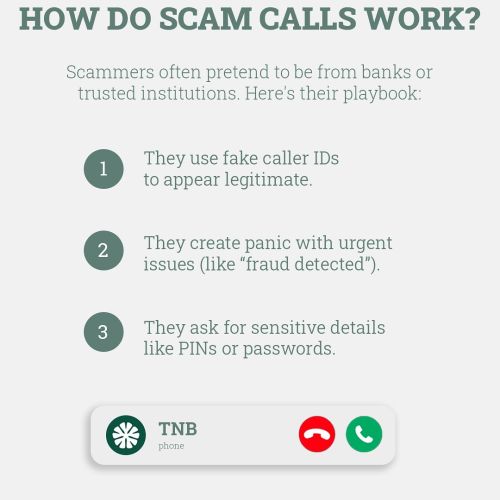
give your full PIN or online/telephone banking login details to anyone, even a caller claiming to be from your bank or the police. If you are asked for this information, end the call immediately.
give out your mobile banking app activation codes and passcode. If you are asked for this information, end the call immediately.
be persuaded to download any software or visit a site because someone on the phone has told you to.
This is when a fraudster sends a text message to you pretending to be from your bank. This is also known as 'smishing'.
The text message may advise that there's a problem with your bank account, asking you to call a phone number. If you call, fraudsters will try to trick you into giving away your personal and security information.
Sometimes you get emails pretending to be from legitimate sources, however they’re asking you to give away personal or private information. This is an email scam, also known as phishing.
A phishing email may be disguised as one from the bank, or it may be a more obvious scam with strange logos and poor spelling.
The bank will never ask you to provide your PIN, One Time Passcode (OTP) or your online banking login password. Never allow remote access to any device or download software to allow access.
Be on the lookout for emails or text messages requesting you log in to your online banking to update your personal details and emails with of an urgent nature.
Our online password reset service is temporarily unavailable. If you need to reset your password, please contact us for assistance.
We’re working to restore the service as soon as possible.